A polished website, bold headline, and many shares can make almost any claim look credible. False information rarely arrives with a warning label.
In a UNESCO and Ipsos survey across 16 countries, 85% of respondents said they were worried about online disinformation. How do you know whether a health tip, news report, product claim, or viral post deserves your trust?
This guide explains how to check whether information online is reliable using a routine you can apply quickly.
Table of Contents
Here’s What’s Inside
- A quick website credibility check
- Ways to investigate authors, dates, and evidence
- Tools for checking claims, images, and deleted pages
- Warning signs in misleading content
- Extra precautions for high-stakes information
Identify the Exact Claim First
Before checking a source, ask what it is actually claiming.
A post may combine several ideas. “This natural ingredient cures fatigue, doctors hide it, and results appear in seven days” contains separate medical, professional, and timing claims. Each needs evidence.
Rewrite the main claim in one plain sentence. Remove emotional wording and sales language. Specific names, dates, studies, locations, and measurable results are easier to verify than vague promises.
Here’s the thing: you cannot fact-check a feeling. You can fact-check a clear statement.
Check Who Published the Information
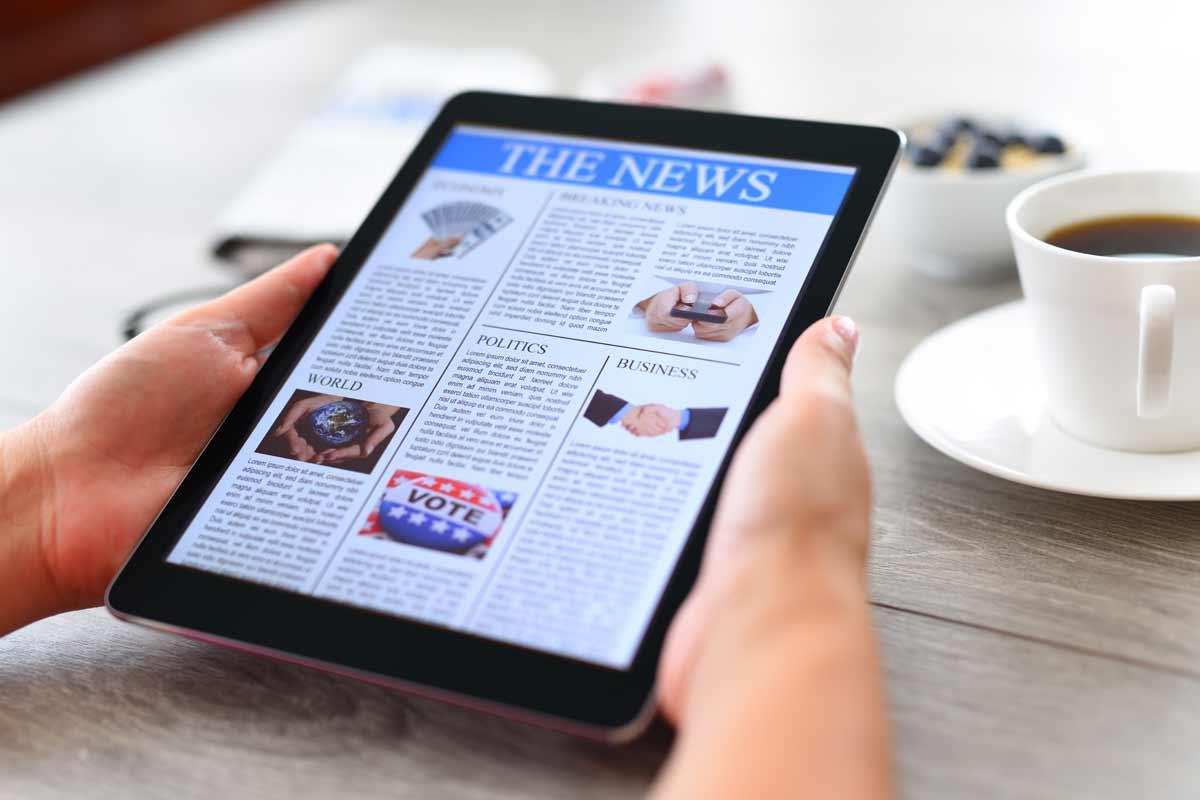
Start by investigating the publisher rather than judging the page by its design.
Look for an About page, contact details, ownership information, editorial standards, named editors, and a corrections policy. A credible site should show who is responsible for its content.
Then check whether the publisher has relevant expertise. A respected gardening site may give excellent soil advice, yet still be a poor source for tax law or cancer treatment.
Search the publication’s name with terms such as “owner,” “funding,” and “corrections.”
Investigate the Author
Open the author profile and search for previous work, qualifications, affiliations, and direct experience. For product reviews, hands-on testing may matter most. For medical, legal, financial, or scientific advice, formal expertise matters far more.
Be cautious with vague biographies such as “experienced researcher” when no verifiable background is provided.
No named author does not automatically mean poor quality. Government agencies and universities often publish institutional guidance, but responsibility and sourcing should still be clear.
Use AI Detection as a Clue, Not Proof
AI is increasingly used to create articles, reviews, summaries, and social posts. AI-written text is not automatically false, just as human-written text is not automatically reliable.
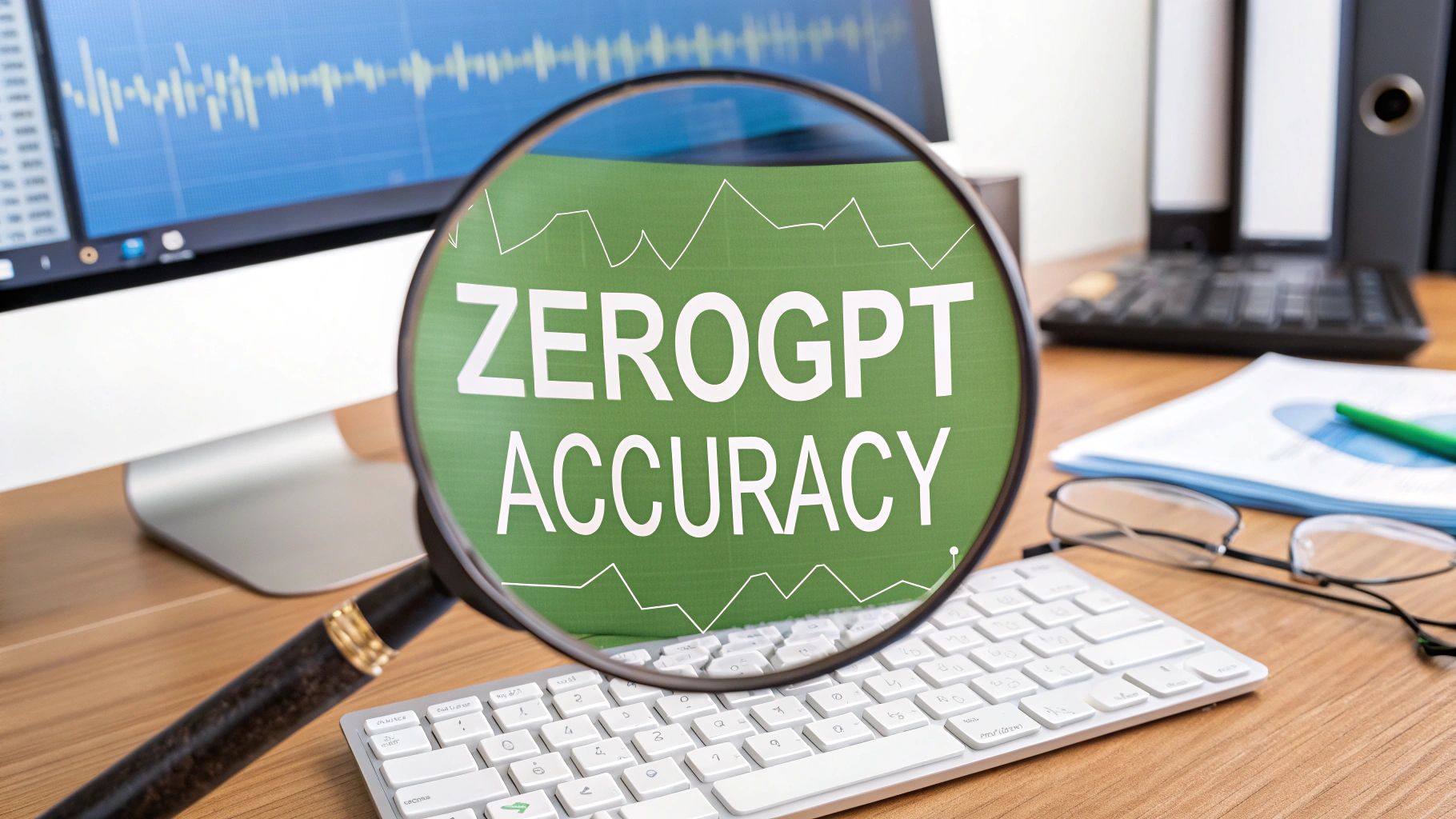
An AI checker free tool may help when text seems unusually generic, repetitive, or automated. It can be useful for reviewing guest posts, freelance submissions, academic work, or large amounts of website copy.
However, detection results are not definitive. Edited writing, translated text, short samples, and structured professional content can produce false positives or false negatives.
Use the result as a reason to check the substance:
- Are the sources real?
- Do studies support the conclusions?
- Are quotations and statistics accurate?
- Are names, dates, and links correct?
Reliability depends on verifiable evidence, not on who or what produced the first draft.
Read Laterally
Professional fact-checkers often use lateral reading. Instead of staying on one page, they open new tabs and investigate the source, author, quoted experts, and central claim elsewhere.
The good news? A basic lateral check takes only a few minutes.
Look for confirmation from primary sources, established newsrooms, government agencies, universities, professional bodies, or respected research institutions. Agreement across independent sources is stronger than several articles repeating one press release.
Watch for “source chains.” Ten websites may appear to confirm a story while all tracing back to one unverified post.
Follow the Evidence Backward
Reliable information should let you move closer to the original evidence.
When an article mentions a study, survey, court ruling, government report, product test, or public statement, open that source. Check whether it genuinely supports the headline.
Pay attention to sample size, publication date, limitations, and funding. A study involving 24 people should not be presented as universal proof. Company-funded research may still be useful, but the commercial interest should be disclosed.
Statistics need context too. “Risk doubled” sounds dramatic, but an increase from one case in 10,000 to two cases in 10,000 differs greatly from an increase from 10% to 20%.
Check the Date and Update History
Accurate information can become outdated, especially laws, travel requirements, software instructions, prices, public officials, and medical guidance.
Find the publication date and any marked update date. Do not assume a recent timestamp means the article was fully revised because some sites refresh dates automatically.
Check whether cited links still work and official guidance remains current. Older sources can remain valuable, but the date must fit your question.
Use Fact-Checking and Archive Tools
Several tools can make verification faster:
- Google Fact Check Explorer: Finds published fact checks.
- AP and Reuters fact checks: Useful for political and breaking-news claims.
- Snopes: Covers internet rumors and recycled stories.
- Wayback Machine: Displays archived pages and deleted claims.
- Google Scholar and PubMed: Help locate research.
Search the central claim, not only the exact headline. Misleading stories often return with different wording.
Read the evidence behind a fact-check rather than trusting the rating alone.
Raise the Standard for High-Stakes Advice
The more serious the consequence, the stronger the evidence should be. Poor medical, legal, financial, or safety advice can cause real harm.
For high-stakes information:
- Prefer current guidance from relevant public agencies.
- Confirm advice through more than one authoritative source.
- Check whether it applies to your country and circumstances.
- Consult a qualified professional before major decisions.
- Never act on anonymous posts or screenshots alone.
Personal experience can be useful, but it cannot prove that an approach will work for everyone.
Use This 60-Second Reliability Checklist
Before trusting or sharing a claim, ask:
- What exactly is being claimed?
- Who published and wrote it?
- What evidence is provided?
- Can I find the original source?
- Do independent sources confirm it?
- Is the information current?
- Could acting on it cause harm?
You may not solve every question in one minute, but you will catch many weak claims.
Start With Two Small Habits
Learning how to check whether information online is reliable does not require becoming a professional investigator. It requires a pause between seeing a claim and accepting it.
Start with two actions: open a second tab to investigate the source, and follow one important claim back to its original evidence. Those habits alone can improve what you read, use, and share.
Do not try to verify the entire internet today.
Verify the next claim that matters.