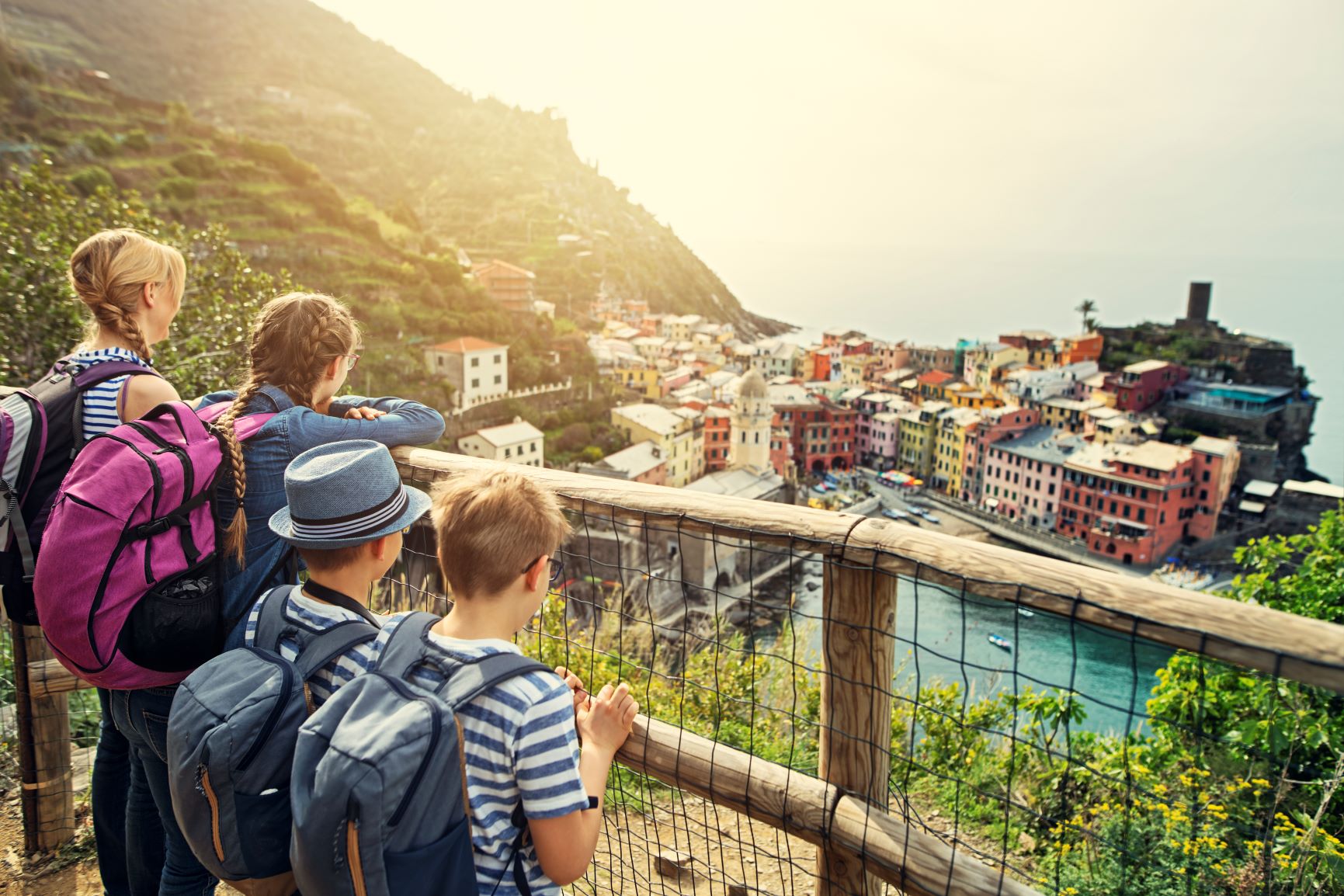
Italy rarely fits into a single type of trip. One day can feel structured around history, the next around food, and the next around landscapes that change completely within a few hours of travel. That mix is what makes it appealing if you don’t want a repetitive itinerary.
You can move from coastal towns to mountain trails, from quiet villages to crowded city squares, all within a short distance. The key is not to treat Italy as one experience, but as a collection of different ones. Each region adds something distinct, and planning with that in mind makes the trip feel fuller and more balanced.
Table of Contents
Experience Italy Through Its Food Culture
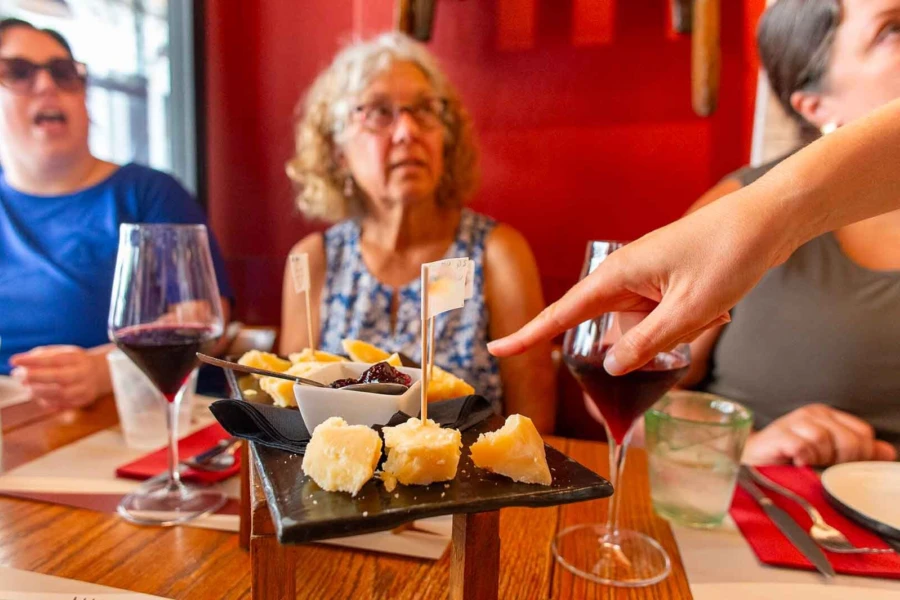
Food is one of the easiest ways to experience variety in Italy because every region does things differently. Even basic dishes change depending on where you are, and locals take that seriously.
In cities like Verona, spending a few hours in a kitchen with a local gives context to what you are eating. If you’re already planning to spend time in the north, joining a hands-on cooking class in Verona helps you understand regional ingredients and simple techniques that are used daily. It is not about complex recipes, but about learning how locals approach food.
What stands out is how practical the experience feels. You learn how meals are structured, how ingredients are sourced, and why certain combinations are preferred.
Here is what you typically gain from that kind of experience:
- A clear understanding of regional dishes rather than generic Italian food
- Basic cooking techniques that you can repeat later
- Insight into how locals shop, prepare, and eat meals
That makes the experience useful, not just enjoyable.
Explore Cities Beyond the Main Attractions
Italian cities are dense with history, but the most interesting parts often sit just outside the main tourist routes. Walking a few streets away from major landmarks changes the pace immediately.
In Rome, Florence, or Bologna, small details start to matter more than major monuments. You notice how neighborhoods function, where locals eat, and how daily routines unfold.
According to tourism data, Italy offers thousands of historic sites and cultural tours, which explains why cities can feel overwhelming at first . The key is to narrow your focus.
Instead of trying to see everything, approach each city with a simple structure:
- Pick one major landmark to understand context
- Spend time walking without a strict route
- Sit down for a meal in a less crowded area
That balance keeps the experience manageable and more grounded.
Balance Coastlines, Lakes, and Mountains
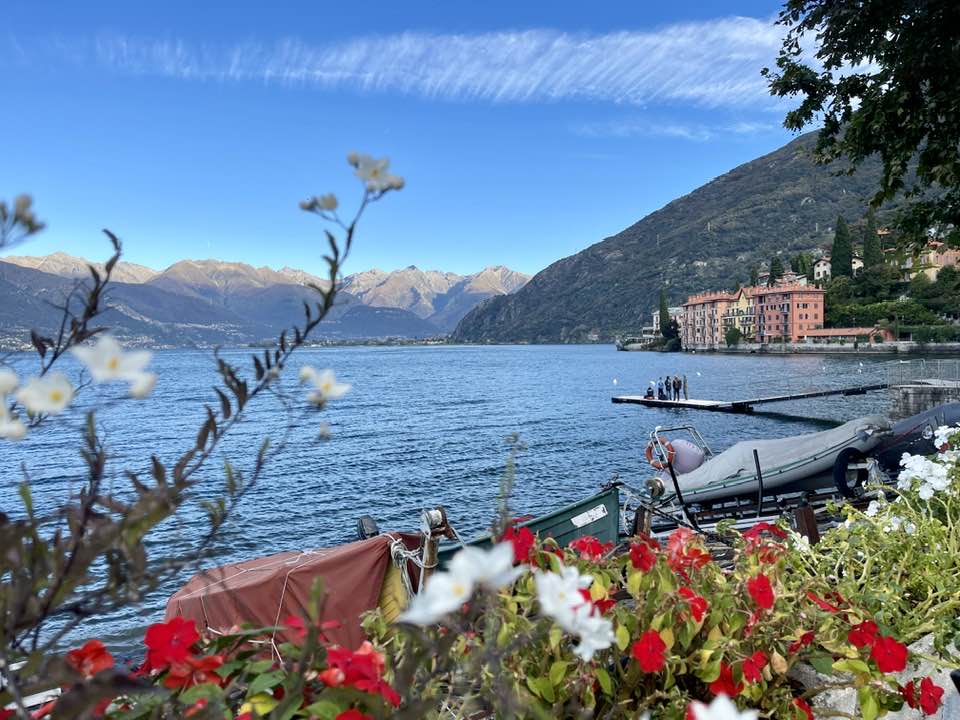
Italy’s geography is one of the main reasons it works well for travelers who want variety. You can change scenery quickly without long travel days.
Some areas offer very different experiences depending on what you’re looking for:
|
Region Type |
What You Get |
Best For |
| Coastal areas like Sardinia | Beaches and open space | Relaxation and swimming |
| Northern lakes like Garda | Calm scenery with activities | Light adventure and slower travel |
| Alpine regions | Hiking and cooler climate | Outdoor exploration |
After seeing several regions, you start to notice how distinct each one feels. Sardinia, for example, offers both quiet inland villages and dramatic coastlines that feel completely different from northern lake areas.
The practical takeaway is simple. Do not stay in one type of location for the entire trip. Moving between at least two different environments makes the experience more complete.
Try Cultural Experiences That Locals Actually Value
Some activities exist mainly for tourists, but others are part of everyday life in Italy. Those tend to be more rewarding because they show how people actually spend their time.
One example is the evening aperitivo. It is not just about drinks. It is a daily routine where people gather, eat small plates, and relax after work. You will see this in almost every city.
Another example is attending live performances. Italy has a long tradition of open air opera and events in historic venues, especially in places like Verona.
To get more out of these experiences, keep it simple:
- Arrive early and observe how locals behave
- Avoid overplanning the evening
- Focus on participation instead of observation
This approach turns a simple activity into something more meaningful.
Learn Hands On Skills in Rome
By the time you reach Rome, you might already feel familiar with Italian food and culture. That makes it a good place to go deeper rather than just repeat similar activities.
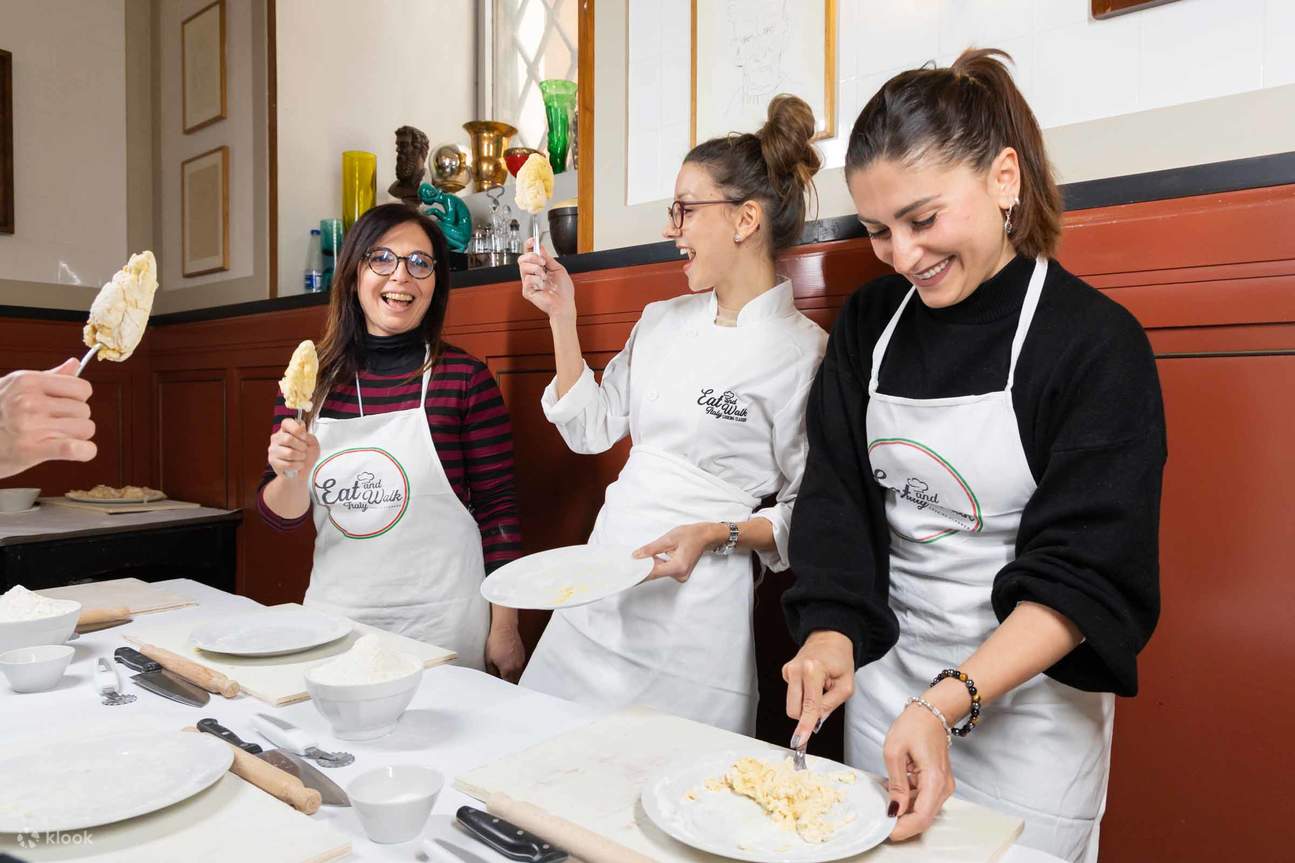
Joining a cooking class in Rome is a practical way to do that. Instead of just tasting dishes, you learn how to prepare them in a structured setting. It adds context to everything you have already experienced in other regions.
The benefit is not limited to cooking. You also learn how Roman cuisine differs from northern or coastal styles, and why certain ingredients are used more often.
In many cases, these classes also include market visits or discussions about sourcing ingredients, which makes the experience more complete.
Combine History with Unexpected Stops
Italy has a large number of historic landmarks, but some of the more unusual places can add variety to your itinerary.
Across the country, you will find locations that do not fit into the typical museum or landmark category. Some examples include hidden courtyards, unusual architectural areas, and even themed spaces like bone decorated crypts in Rome.
Adding one or two of these stops changes the rhythm of your trip. It keeps the experience from becoming too predictable.
Did you know?
Italy hosts unique cultural events such as large scale festivals that attract hundreds of thousands of visitors, including food focused events like the chocolate festival in Perugia.
These kinds of experiences are often seasonal, so checking local calendars can lead to unexpected highlights.
Final Thoughts
Italy works best when you treat it as a series of different experiences rather than a checklist. Food, landscapes, cities, and local routines all play a role, and the variety comes from combining them in a balanced way.
If you mix structured visits with slower, unplanned time, the trip feels less rushed and more complete. The goal is not to see everything, but to experience enough contrast to understand how diverse the country really is.