Munich’s museum scene is one of the strongest in Europe, but what visitors really want to know is which places offer the most value for limited time.
This guide focuses on the best museums in Munich across art, science, and history, with practical detail that helps readers choose the right stops rather than overwhelm them with a full directory.
Whether someone arrives for a weekend, a longer holiday, or a quick cultural detour, the museums below offer depth, memorable exhibitions, and experiences that feel distinctly Bavarian rather than generic.
Table of Contents
Why Munich’s Museums Stand Out
Munich combines royal collections, modern design, and scientific ambition in a compact and walkable core.
Visitors often compare the experience to Berlin, yet Munich’s museum culture feels more curated and quietly confident.
Most institutions are located in or near Maxvorstadt, an area shaped by universities and classical architecture.
This makes it possible to visit two or three major museums in a single day without rushing.
Key factors that appeal to travelers include the quality of permanent collections, the structure of temporary exhibitions, and the ease of navigating well designed buildings.
This is also the part of the city where visitors often look for quieter, more elegant ways to unwind after a day of cultural sightseeing.
Some plan a dinner in Schwabing, others book a concert, and a few choose experiences that help them navigate the city with comfort and confidence like München escort – for travelers who prefer guided company when exploring nightlife or dining scenes.
Art Museums Worth Prioritizing
Before diving into the individual institutions, it helps to understand that Munich treats art as a living conversation rather than a static archive.
The three Pinakothek museums sit close together and present art across centuries in clearly defined periods.
Alte Pinakothek
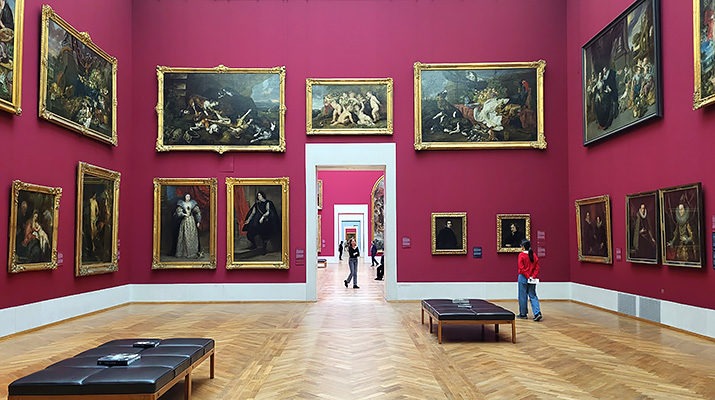
The Alte Pinakothek houses one of the world’s most impressive collections of European paintings from the Middle Ages through the 18th century.
Its quiet presentation style encourages slow observation, which suits visitors who enjoy analyzing brushwork, symbolism, or historical themes.
The museum highlights Rubens, Dürer, Cranach, and van Dyck, but also includes lesser known works that show the transition between artistic eras.
What makes it special
- Strong educational panels that break down artistic evolution
- Spacious rooms that give large canvases clarity
- Easy pairing with Neue and Moderne Pinakothek in the same district
The museum rewards curiosity instead of speed. For many travelers, this is the most traditional art experience in Munich, ideal for those who appreciate classical painting or want a structured introduction to European art history.
Science And Technology Museums
Science in Munich has an identity shaped by research institutions, engineering companies, and centuries of innovation.
Museums covering these topics are interactive, deeply informative, and genuinely suitable for adults traveling without children.
They help explain why Bavaria became an engineering powerhouse.
Deutsches Museum
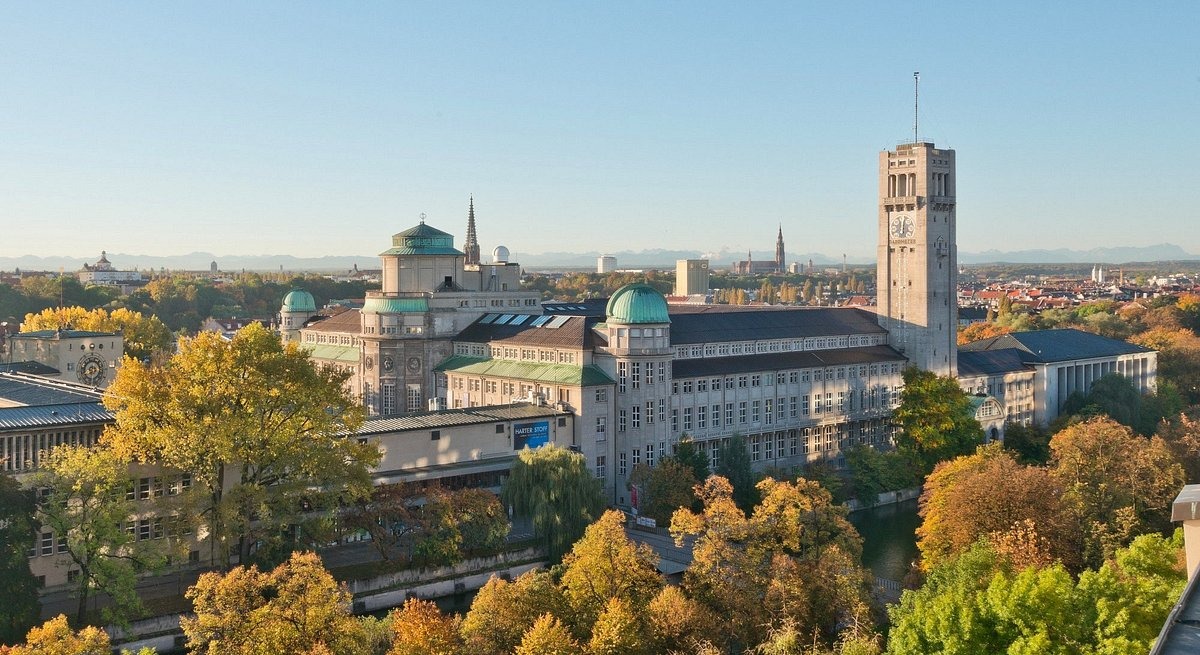
Visitors often call the Deutsches Museum a full day experience, and that is not an exaggeration.
It is one of the largest science and technology museums in the world, spanning aviation, chemistry, physics, mining, medicine, shipbuilding, and energy.
Exhibitions are arranged with working models, hands on components, and historically significant machines.
Table: Deutsches Museum Quick Overview
| Focus Area | Why It Stands Out |
| Aviation & Space | Real aircraft, satellites, and detailed engineering history |
| Energy & Materials | Engaging demonstrations explaining complex processes |
| Physics & Mathematics | Clear explanations for non experts with strong visual aids |
Visitors should expect to pause frequently. The museum shines when you take the time to read the demonstrations rather than skim them.
It is ideal for travelers who enjoy technical depth or families who want learning experiences that feel lively rather than textbook based.
Modern And Contemporary Art
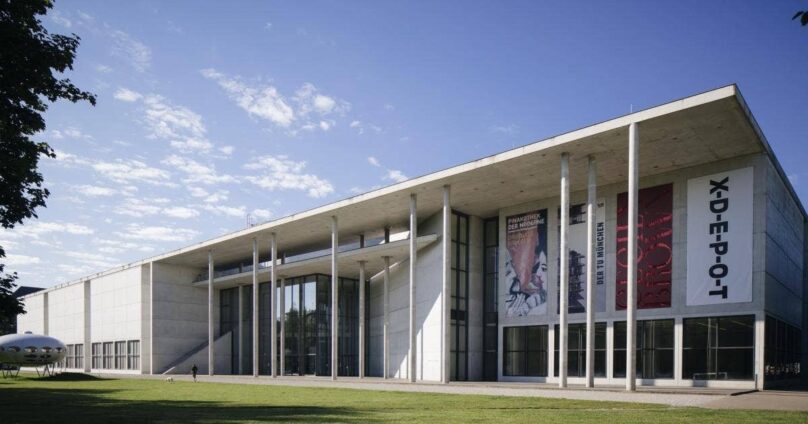
Munich’s approach to contemporary art is subtle and intelligent, shaped by academic circles and the city’s design culture.
If you want modern pieces, the museums in this category are curated with clarity and thematic logic rather than shock value.
Pinakothek der Moderne
This museum brings together art, design, architecture, and graphics under one roof.
Its structure encourages visitors to move between disciplines and see how visual culture shapes everyday life.
Large white rooms provide excellent lighting and make the collection easy to absorb.
Key points at a glance
- Strong German Expressionism and 20th century European movements
- A design wing featuring iconic furniture, everyday objects, and industrial prototypes
- Rotating exhibitions that feel current without being overwhelming
One of the strengths of the Pinakothek der Moderne is its atmosphere. It feels calm, spacious, and professional.
Visitors who prefer clean aesthetics and conceptual art will feel comfortable here.
It also pairs well with a coffee break in the museum’s stylish café, popular among students and architects.
History And Cultural Heritage
Munich’s past includes royal power, wartime destruction, reconstruction, and cultural shifts.
The city’s historical museums lean toward accuracy and emotional clarity rather than dramatization.
Bavarian National Museum
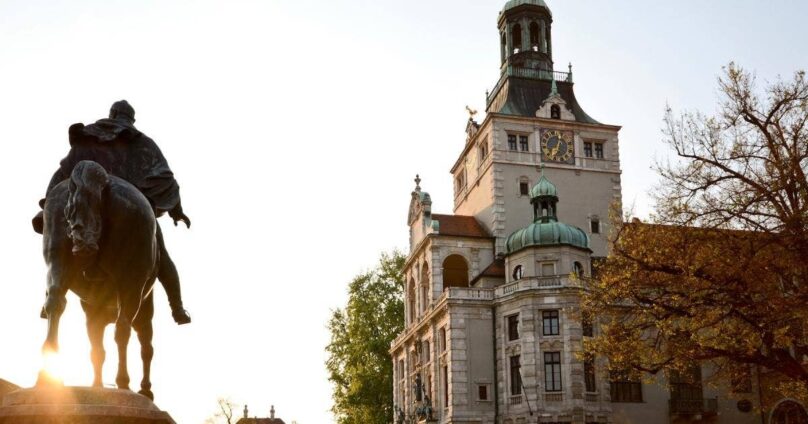
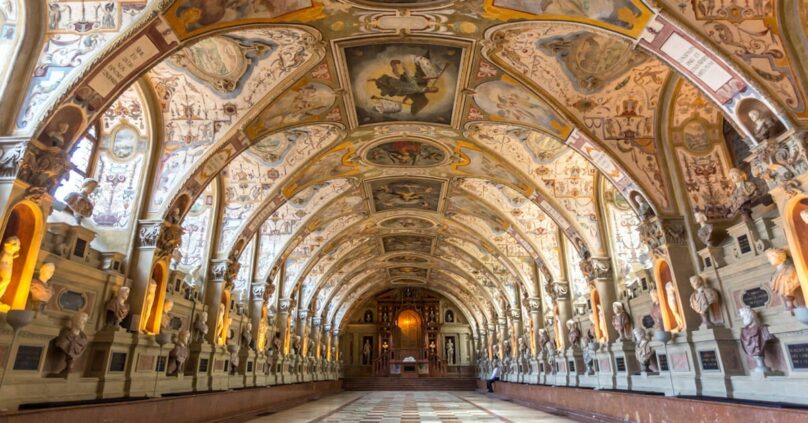
The Bavarian National Museum is one of the largest cultural history museums in Europe.
Inside, visitors find sculpture, furniture, tapestries, religious objects, musical instruments, and folk art.
The museum’s layout groups items by both themes and eras, which helps create a sense of narrative.
Did you know?
The Bavarian National Museum holds one of the most important collections of Nativity scene art in the world, showcasing centuries of craftsmanship and cultural symbolism.
Visitors who enjoy cultural objects rather than paintings often find this museum surprisingly engaging.
Each room blends artistry with material history, making it easier to visualize how Bavarian identity formed over centuries.
It is especially rewarding for travelers who want something outside the standard art circuit.
Lesser Known Gems That Deserve Attention
Not all museums in Munich attract international headlines, yet several are memorable and well suited for people who like quieter spaces.
Museum Brandhorst
Museum Brandhorst focuses on modern and contemporary art, featuring significant collections from Cy Twombly, Andy Warhol, and other major artists of the 20th and 21st centuries.
The building itself is a landmark, made of thousands of colorful ceramic rods that shift tone depending on sunlight.
Inside, exhibitions are arranged with a minimalist touch that encourages reflection.
Why it’s a worthy addition
- Less crowded than the main Pinakothek museums
- Strong focus on individual artists and focused themes
- Architecture that enhances the viewing experience
People who want depth without the heaviness of large institutions often enjoy Brandhorst the most. It makes an excellent final stop after exploring the district’s larger museums.
Munich Documentation Center For The History Of National Socialism
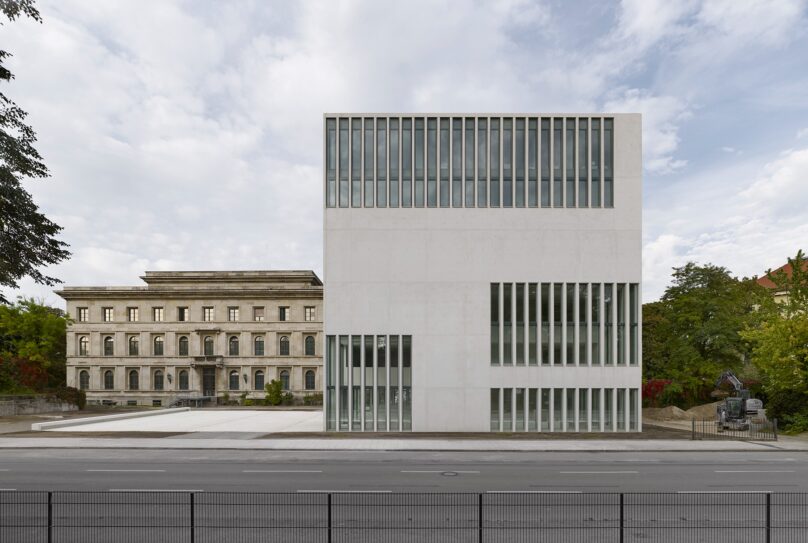
This museum approaches Munich’s role in the rise of National Socialism with clarity and honesty.
Exhibits use photographs, documents, personal accounts, and interactive media to help visitors understand how ideology spreads when society becomes vulnerable.
The museum emphasizes education rather than spectacle.
The center is located near Königsplatz, an area historically tied to Nazi architecture.
This location gives context to the exhibitions and encourages reflection about memory, responsibility, and misinformation.
It is a sobering but essential stop for anyone who values historical accuracy and wants to understand Munich beyond its charming beer gardens and elegant boulevards.
Choosing The Right Museums For Your Trip
With so many museums packed into a central walkable district, visitors often face a simple question: how many museums fit into one trip without turning culture into a checklist?
The answer depends on energy, timing, and personal interests.
Quick selection guidance
- Choose Alte Pinakothek if classical European art inspires you.
- Choose Deutsches Museum if you love engineering, science, or interactive exhibits.
- Choose Pinakothek der Moderne if modern visual culture resonates with you.
- Choose Bavarian National Museum if cultural history and artifacts interest you.
Many travelers combine two museums in one day, then reserve a third for a separate morning.
Munich’s museum district makes this easy, and the cafés around Maxvorstadt help you reset between exhibitions without rushing.
Conclusion
Munich offers museum experiences that balance depth, clarity, and atmosphere.
The institutions highlighted above form a well rounded itinerary for travelers who want art, science, and history in a manageable and rewarding format.
Each museum has its own rhythm, and choosing a mix based on your interests leads to a far more meaningful visit than trying to see everything.
With thoughtful pacing and a sense of curiosity, Munich becomes one of Europe’s most satisfying cultural destinations.